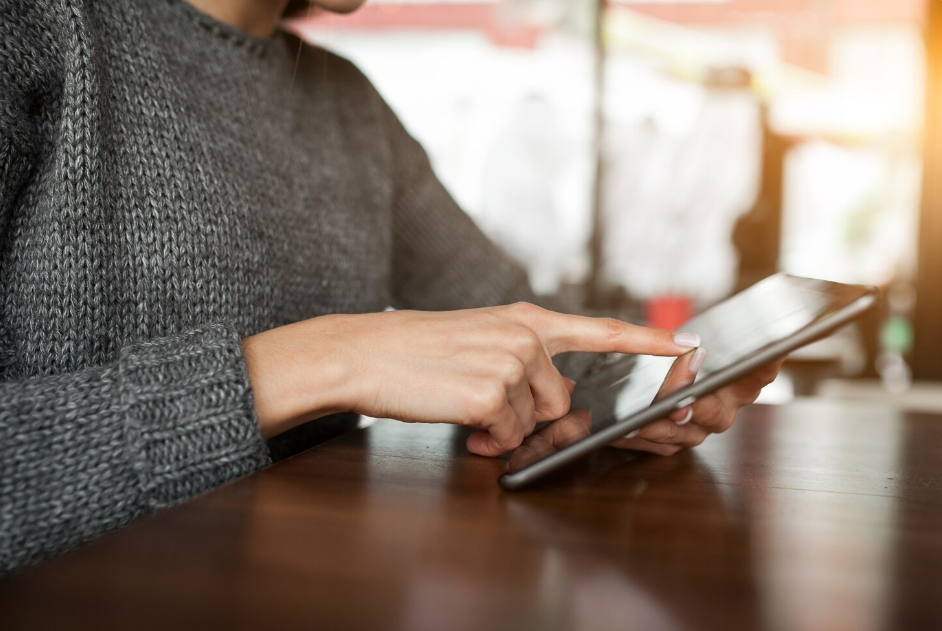
Smartpad: Features, Benefits, Uses, and How to Choose the Right One
A smartpad can be a practical addition to modern digital life, combining portability, connectivity, and convenient access to apps, information, entertainment, and productivity tools. As people increasingly rely on digital devices for studying, working, communicating, and relaxing, compact touchscreen technology has become an important part of everyday routines. A smartpad can provide many of the conveniences associated with larger computers while remaining easier to carry and use in different environments. Whether someone needs a device for online classes, reading, note-taking, streaming, browsing, creative activities, or basic work, choosing the right model requires more than simply looking at the price. Screen quality, battery life, processing performance, storage, connectivity, operating system, accessories, and durability can all influence the overall experience. Understanding these factors makes it easier to select a device that fits individual needs. Understanding the Concept of a Smartpad The term smartpad is commonly used to describe a portable touchscreen computing device designed to provide a combination of mobile and computer-like functions. Depending on the model, it may support applications for communication, education, entertainment, productivity, creative work, and internet browsing. The size and capabilities of these devices can vary considerably. Some models are designed mainly for media consumption and casual browsing, while others are built around productivity and may support keyboards, styluses, external displays, or other accessories. The most suitable option depends on how the device will be used. Someone looking primarily for a reading and entertainment device may have different priorities from a student who needs to write assignments or an artist who wants to create digital illustrations. Why Portable Touchscreen Devices Are Useful One of the biggest advantages of a touchscreen device is convenience. A compact design makes it easier to carry between home, school, work, travel destinations, or other locations. Touch interaction can also make certain activities feel more natural. Browsing websites, viewing photos, reading documents, navigating applications, and watching videos can be comfortable on a larger screen than a traditional smartphone. Another advantage is versatility. A single device can perform several functions that might otherwise require separate products. It can serve as an entertainment screen, reading device, digital notebook, video-calling tool, and lightweight productivity machine. Choosing the Right Screen Size Screen size is an important consideration because it affects both usability and portability. Smaller displays are generally easier to carry and may be comfortable for reading while traveling. Larger displays provide more workspace and can be more suitable for documents, presentations, creative applications, and multitasking. Display resolution also affects the viewing experience. A sharper screen can make text, photographs, videos, and illustrations appear clearer. Brightness and viewing comfort are equally important. If the device will be used outdoors or in brightly lit rooms, sufficient brightness can make the screen easier to see. For extended reading or study sessions, users should also consider display characteristics that contribute to comfortable viewing. Performance and Processing Power Performance determines how smoothly applications run and how well the device handles different workloads. Casual users may only need enough power for browsing, streaming, email, social applications, and basic productivity. Students and professionals who use several applications or larger documents may benefit from more capable hardware. Creative users may need additional performance for drawing, photo editing, video work, or other demanding tasks. It is important not to choose specifications based only on numbers. The overall combination of processor, memory, software optimization, and storage affects real-world performance. Battery Life Matters Portability becomes less useful if a device constantly needs to be connected to a charger. Battery life is therefore an important factor when comparing models. People who use their device while traveling, studying away from home, or working in different locations may especially benefit from strong battery endurance. Actual battery performance can vary depending on screen brightness, applications, wireless connectivity, video playback, and other activities. Charging speed can also be useful. A device that can regain a meaningful amount of battery in a relatively short period can reduce interruptions during busy days. Storage and Memory Considerations Storage determines how much space is available for applications, photos, videos, documents, games, and other files. Users who primarily stream content may not need as much internal storage as people who download large media libraries. Students may require space for textbooks, assignments, presentations, and educational applications. Creative users may need considerably more room for high-resolution images and videos. Memory is different from storage. Sufficient memory helps applications run smoothly, particularly when several tasks are active at the same time. Buyers should consider both specifications rather than focusing on only one. Smartpads for Students Portable touchscreen devices can be useful educational tools. Students can access digital textbooks, educational platforms, research resources, video lessons, productivity applications, and communication tools from one device. A compatible stylus can also turn the device into a digital notebook. Handwritten notes, diagrams, annotations, and sketches can be created directly on the screen. For students, battery life, portability, display quality, keyboard compatibility, storage, and application support are often more important than premium cosmetic features. A balanced device can provide a useful combination of study and entertainment functions. Smartpads for Work and Productivity A smartpad can also support professional tasks, especially when combined with the right accessories. Email, calendars, video meetings, document editing, presentations, note-taking, and cloud-based applications can often be handled on a portable touchscreen device. A detachable keyboard can make longer typing sessions more comfortable. A stylus may be useful for signing documents, marking up files, drawing diagrams, or taking handwritten notes. However, users with demanding professional workloads should carefully check application compatibility before replacing a traditional computer. Some specialized software may require a desktop or laptop operating environment. Creative Uses Touchscreen devices can be valuable tools for creative activities. Digital artists can use compatible styluses to draw and paint directly on the screen. Photographers may use them for image review and basic editing, while content creators can use suitable applications for planning, editing, and publishing. The quality of the display becomes especially important for creative users. Color accuracy, resolution, screen size, stylus responsiveness, and